Tooth Extractions
While preserving natural teeth is always the goal, there are situations where a tooth extraction becomes the best option to protect your oral health. At R. Anthony Murray, DDS, PA, we perform tooth extractions with a focus on patient comfort, safety, and long-term treatment planning.
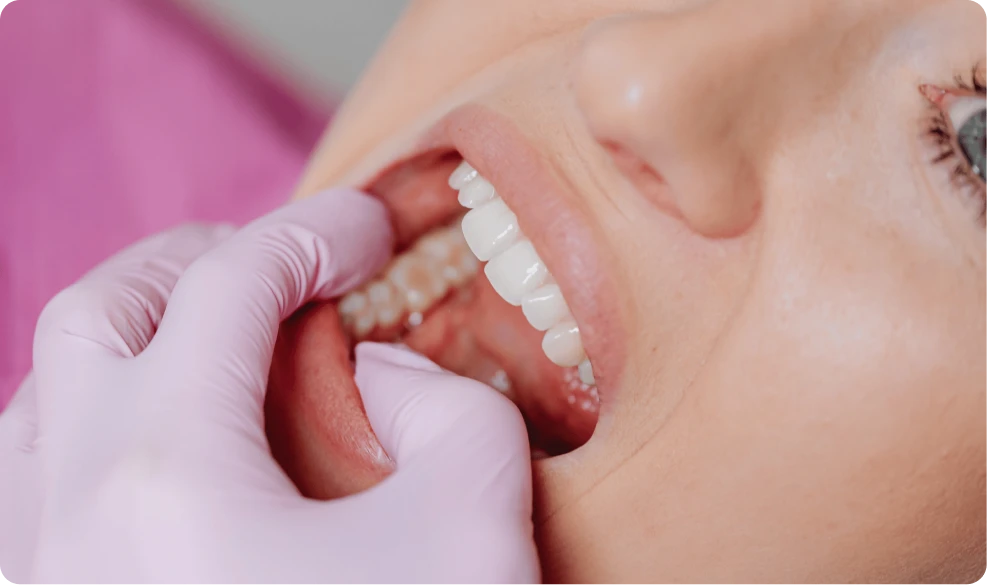
When Is a Tooth Extraction Necessary?
A tooth may need to be removed when:
- Severe decay has destroyed too much tooth structure to restore
- Infection has reached the tooth’s pulp and surrounding bone
- Advanced gum disease has weakened tooth support
- A tooth is broken below the gum line
- Orthodontic or restorative treatment requires space
- A tooth is impacted or cannot erupt properly
Each case is carefully evaluated using clinical examination and imaging to determine whether extraction is the most appropriate option.


How Is a Tooth Extraction Performed?
Tooth extractions are performed in our office using local anesthesia to fully numb the area. Sedation options are also available for patients who need additional comfort or are undergoing more complex procedures.
Once the area is numb, Dr. Murray loosens the tooth from its socket using specialized instruments. In some cases, the tooth may be sectioned into smaller pieces to allow for a more controlled and comfortable removal.
After the tooth is extracted, the site is cleaned thoroughly, and sutures may be placed if needed to support healing.
Are Tooth Extractions Painful?
Most patients feel little to no discomfort during the procedure due to effective local anesthesia.
Some soreness, swelling, and tenderness are normal after the procedure, but these symptoms are manageable with medication, rest, and proper aftercare. Most patients notice steady improvement within a few days.

Ridge Augmentation After Extraction
In some cases, our team may recommend ridge augmentation immediately after extraction. This procedure helps preserve the bone structure of the jaw by placing grafting material into the socket after the tooth is removed, supporting future restorative options such as dental implants.


